Featured Categories
Explore the primary classifications of ingredients used in historical and contemporary formulations.
Floral Notes
Learn about flowers like lavender, rose, and hibiscus. These ingredients often provide a highly fragrant aroma, delicate top notes, and a visually appealing color to the infusion. They require careful temperature management to avoid destroying volatile compounds.
Earthy & Root-based
Explore the deep, grounding flavors of ingredients such as ginger, dandelion root, and chicory. These are often used as strong base notes in complex blends, providing body and a lingering finish. They typically require longer extraction times.
Mint & Citrus
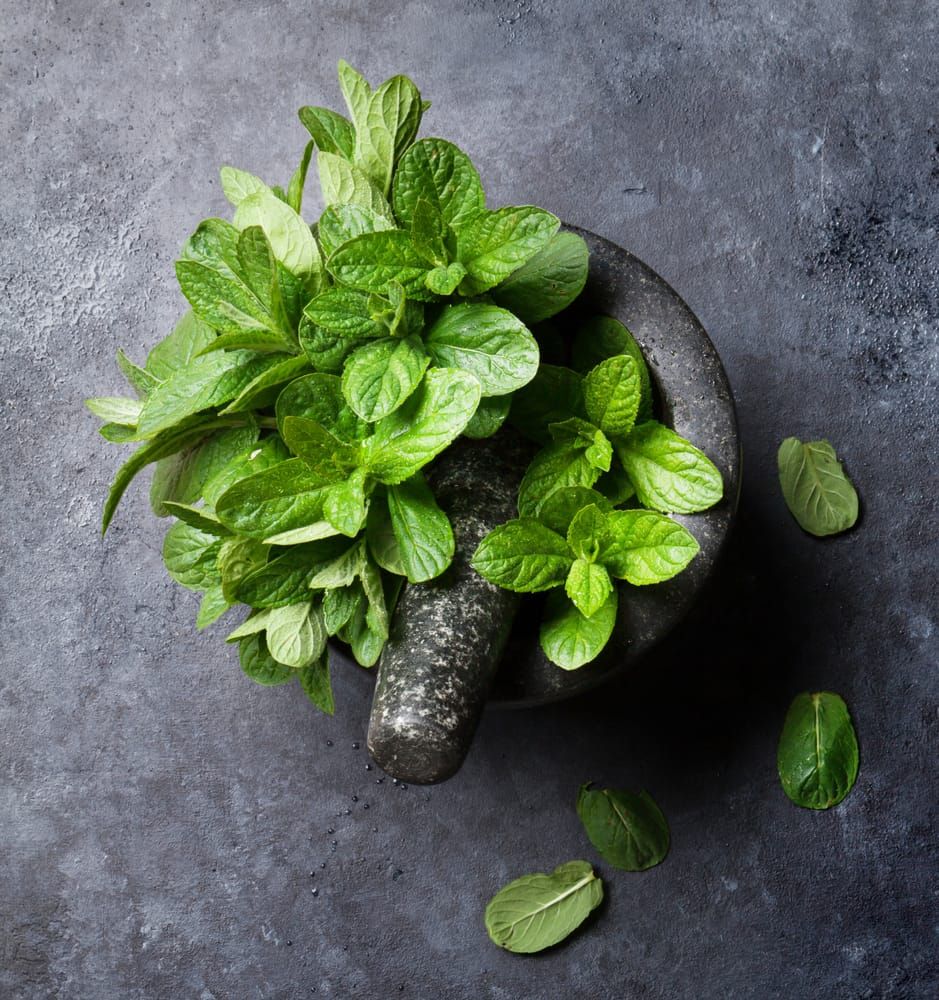
Discover the refreshing qualities of spearmint, lemon balm, and lemongrass. These botanicals are frequently utilized to add a bright, crisp finish to the beverage, acting as excellent modifiers that lift the overall flavor profile.
Spices & Bark
Understand how ingredients like cinnamon bark, cardamom pods, and cloves can introduce warmth and complexity. These robust ingredients transform a simple herbal infusion into a rich, multi-dimensional experience. Our guides detail the historical trade routes and traditional uses of these highly valued commodities.
Quality Standards
Education on identifying high-quality botanicals. Learn to assess color vibrancy, structural integrity, and aromatic intensity to ensure the ingredients meet historical standards of excellence.